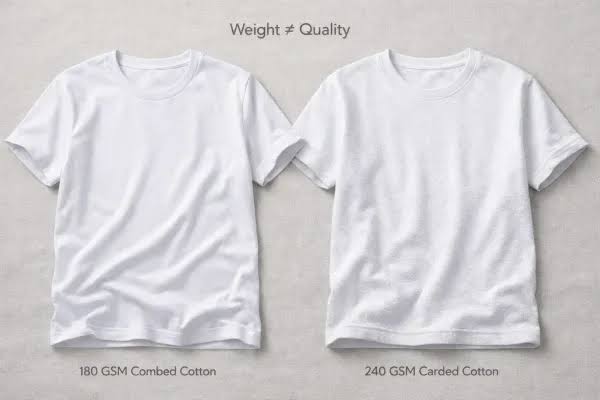

Let’s be honest. Walk into any college campus in Mumbai, Delhi, or Bangalore, or scroll through your Instagram feed for five seconds, and you’ll see it clear as day: The Gen-Z oversized streetwear revolution has completely taken over India.
Every creative teenager, hip-hop dancer, meme page admin, and micro-influencer wants to build their own clothing brand. They’ve got the aesthetic mockups ready, a slick logo sorted, and a killer name for their first limited-edition drop.
But when it comes to physical manufacturing, many young founders run into a major roadblock. They source cheap blank tees online or buy low-grade wholesale stock, print their graphics, and ship them out.
The result? Customers receive a thin, clingy, limp t-shirt that looks more like an old undershirt than a premium piece of streetwear. The shoulders droop incorrectly, the sleeves flap around in the wind, and the fabric turns see-through after a single wash cycle. Your brand’s reputation hits zero before your first drop even sells out.
If your oversized tees look sloppy instead of structured, the issue isn’t your design. You’ve simply picked the wrong fabric weight.
Let’s look at the actual numbers behind textile manufacturing and find the best GSM for oversized t-shirts India streetwear drops so your brand can stand out in a crowded market.
🛑 Why Standard Promotional Blanks Fail the Streetwear Aesthetic Check
When starting out, it’s easy to assume an “oversized” t-shirt is just a regular shirt, but a few sizes larger.
This misconception is exactly why so many new clothing labels fail. Standard retail tees—the kind you get at local promotional events, political rallies, or cheap corporate distributions—are made with very thin, lightweight fabric. They are intentionally built to be cheap, breathable, and highly disposable.
[The Structural Difference]

Standard Thin Fabric (140-160 GSM):
  Fabric clings directly to body lines ──> Accentuates natural shape ──> Fails the streetwear look

Heavyweight Streetwear Fabric (240 GSM):
  Fabric hangs away from body ──> Creates a bold, stiff boxy silhouette ──> Nails the aesthetic
If you use light fabric for an extra-large fit, it won’t hold a boxy shape. The material will drape limply over your shoulders, bunch up around your waist, and accentuate your body shape rather than creating a clean, structured frame.
True streetwear aesthetics rely entirely on architectural structure. You want a dense fabric that drops cleanly from the shoulders, holds wide elbow-length sleeves flat, and creates an independent, boxy frame.
To achieve that look, you have to stop buying generic wholesale apparel and start looking closely at fabric specs.
📐 What is GSM? A Simple Guide to Fabric Weights
Before sourcing from apparel factories in Tirupur, Surat, or Ludhiana, you need to understand the fundamental metric of apparel design: GSM.
GSM stands for Grams per Square Meter. It is the global metric unit used to measure the physical weight and density of a piece of woven or knitted fabric.
To visualize this, imagine cutting out a perfect 1-meter by 1-meter square of fabric and placing it on a digital scale. The number of grams it weighs is its GSM value.
- Higher GSM means more yarn is packed into every square inch, resulting in a thicker, denser, and heavier garment.
- Lower GSM means less yarn is used, creating a thinner, lighter, and more delicate garment.
Let’s look at a quick comparison chart of how different fabric weights perform across the Indian market:
| Fabric Weight Spectrum | Typical GSM Range | Common Everyday Use Cases | Streetwear Performance Evaluation |
| Ultra-Lightweight | 130 GSM – 150 GSM | Promotional giveaways, cheap gym vests, sleepwear | Terrible: Clings to skin, wrinkles instantly, looks cheap. |
| Standard Retail | 160 GSM – 180 GSM | High-street basic daily wear tees, classic summer polo shirts | Average: Comfortable for standard fits, but collapses in oversized cuts. |
| Heavyweight Premium | 200 GSM – 220 GSM | Mid-tier local streetwear drops, durable graphic merch | Good: Decent body structure, good value point for new startups. |
| Elite Streetwear Luxury | 240 GSM – 280 GSM | Heavy boxy-fit garments, premium drop-shoulder streetwear | Perfect: Holds shape flawlessly, stays premium after repeated washing. |
🎯 The Sweet Spot: Why 220 to 240 GSM is the Ultimate Streetwear Benchmark
If you look closely at top-tier Indian streetwear labels like Wrong Hat, Bonkers Corner, Souled Store Premium, or underground luxury brands on Reddit groups like r/IndianFashionAddicts, you’ll notice they all highlight one specific specification: 240 GSM Heavyweight Cotton.
For the modern Indian landscape, 220 GSM to 240 GSM single-jersey or loop-knit cotton is the absolute benchmark for boxy, oversized silhouettes. Here is why this specific range works so well:
1. Architectural Silhouette Integrity
A 240 GSM knit provides enough structural rigidity to hold a true drop-shoulder look. The sleeves won’t sag inward; they stick out slightly to create that sought-after boxy look. The hemline drops straight down without bunching up against your jeans, keeping your outfit looking clean and well-proportioned all day.
2. High-Density Graphic Canvas
Most streetwear designs rely on heavy graphics, like large plastisol screens, thick puff-prints, high-density silicone logos, or detailed machine embroidery.
If you put a massive, heavy puff-print design on a thin 160 GSM shirt, the print will weigh the fabric down, causing it to sag, wrinkle, and pull awkwardly around the chest. A 240 GSM cotton base acts like a sturdy canvas, supporting heavy inks and complex embroidery without any warping.
[Graphic Print Performance Comparison]

Thin 160 GSM Fabric:
  Graphic Weight ──> Causes fabric to sag, wrinkle, and distort artwork

Heavy 240 GSM Fabric:
  Sturdy Material ──> Holds heavy inks, puff-prints, and embroidery completely flat
3. Balancing Heavy Fabrics with Indian Weather
You might wonder: “Why not go even higher? Why not use 300 GSM or 400 GSM fabrics?”
While heavy loop-knit fleece fabrics work beautifully in cool European climates, they quickly become unwearable in India’s intense summer heat. A 240 GSM 100% combed cotton fabric offers the perfect balance. It delivers the heavy, structured look of streetwear while remaining highly breathable and comfortable for a humid afternoon walk in Mumbai or Chennai.
🧵 Sourcing Guide: Combed Cotton vs. Carded Cotton
Finding the right fabric weight is only half the battle. You also need to ensure the material feels premium against the skin. When negotiating with apparel manufacturers on IndiaMART or visiting factories in Tirupur, suppliers will ask you a critical question: “Sir, Carded yarn use karein ya Combed yarn?”
If you don’t know the difference, you might end up buying rough, itchy garments that lose their soft feel after a single wash.
What is Carded Cotton? (The Budget Route)
Carded cotton goes through a basic manufacturing process that separates the raw fibers before spinning them into yarn. This method leaves in short, uneven cotton strands and small impurities.
- The Result: The fabric feels slightly prickly, looks fuzzier under bright light, and is prone to pilling (forming tiny fuzzballs on the surface after machine washing). It’s cheap, but it will never give you that high-end luxury feel.
What is Combed Cotton? (The Premium Benchmark)
Combed cotton goes through an extra manufacturing step where the yarn is brushed with fine-toothed combs to eliminate short, weak fibers and extract tiny impurities. Only the longest, strongest, and most resilient cotton strands make it into the final knit.
- The Result: An ultra-smooth, remarkably soft fabric with an even surface texture that takes DTG and screen prints beautifully. It is highly durable and retains its soft texture even after dozens of wash cycles.
[Cotton Processing Quality Paths]

Raw Cotton Fibers
  ├── Basic Carding ──────> Short, uneven strands remain ──> Rough feel & quick pilling
  └── Advanced Combing ───> Long, uniform strands only  ──> Ultra-smooth surface & long life
The Luxury Upgrade: Compact Combed Cotton & Bio-Washing
If you want to position your brand as a premium alternative to fast fashion, look for Compact Combed Cotton that has undergone a Bio-Wash / Enzyme Treatment.
Bio-washing uses natural, organic enzymes to gently dissolve tiny, loose fuzz strands on the fabric surface. This process gives the material an incredibly slick, silky finish and prevents pilling, ensuring your hoodies and tees stay looking brand new for months.
📈 Real-World Manufacturing Profit Worksheet
To help you turn these textile insights into a viable business, let’s look at the financial side of production.
A high-quality 240 GSM combed cotton oversized blank will cost more upfront than a lightweight alternative. However, it also allows you to command a premium retail price, leading to significantly higher overall profit margins for your brand.
🚀 The Ultimate Checklist for Sourcing Streetwear Blanks in India
When you are ready to place your first production order with a supplier, print out this checklist and use it to verify your specifications before sending any advance payments:
- Fabric Weight Benchmark: Strictly specify a weight between 220 GSM and 240 GSM for classic structured streetwear. (Go to 280 GSM only for ultra-thick, cold-weather limited edition runs).
- Yarn Quality Class: Insist on 100% Combed Cotton or Compact Cotton. Reject any cheap carded blends unless you are targeting a rock-bottom budget market.
- Surface Finishing: Always request a Bio-wash or Enzyme treatment to achieve that smooth, lint-free surface essential for high-end graphic prints.
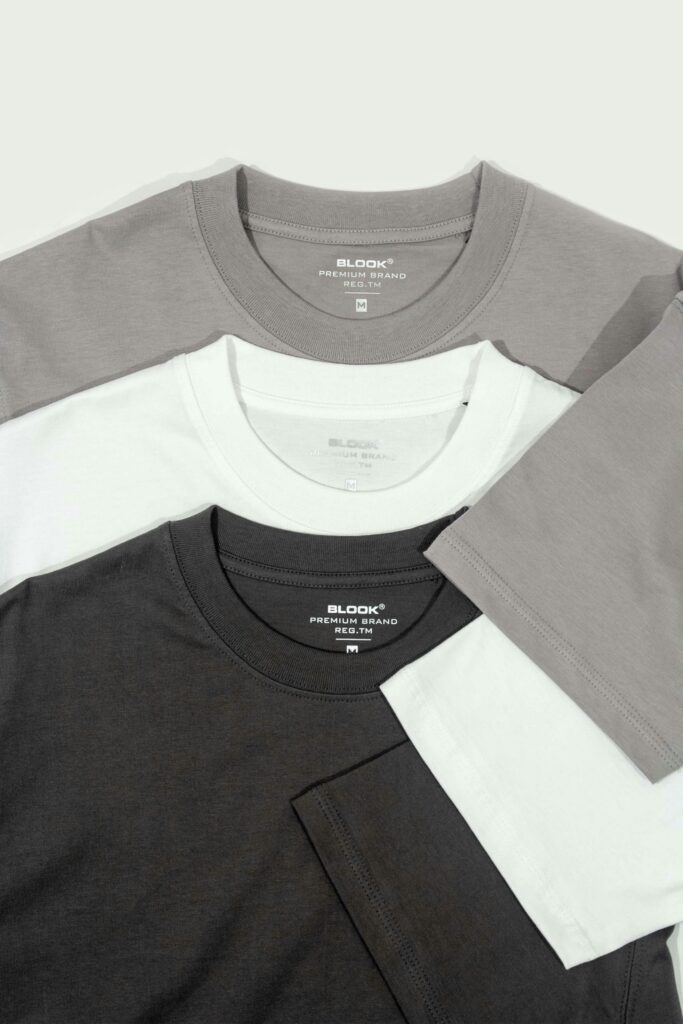
- Ribbed Neck Detail: An oversized t-shirt needs a thick, durable neck rib (preferably 2.2cm to 2.5cm width with Lycra blend webbing). If the neck rib is thin and cheap, it will stretch out and sag after a single wash, ruining the entire streetwear look.
- Fit Pattern Architecture: Ensure your manufacturer is using a dedicated drop-shoulder boxy pattern specification instead of simply scaling up standard regular-fit pattern dimensions.
By mastering your fabric weights and yarn specs, you protect your brand from the common pitfalls that trip up new labels. Your brand transitions from an amateur internet project into a respected streetwear player.
See Also
Elevate Your Style: The Ultimate Guide to Customized Polo T-Shirts
What is GSM in T-Shirts: Everything You Need to Know to Find the Best T-Shirts