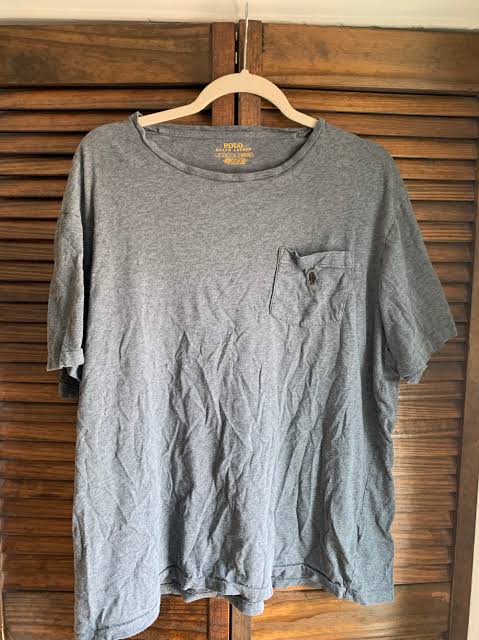

We’ve all been there. You walk into a high-end retail store or browse a trendy homegrown Indian D2C brand online. You spot the perfect minimalist cotton t-shirt. You touch the fabric—it feels incredibly soft, heavy, and premium. You happily pay ₹999 or ₹1499 for it, thinking you’ve invested in a wardrobe staple that will last for years. Have you ever wondered what is bio wash fabric treatment
Then, reality hits.
You wear it once, toss it into the washing machine, and by the third wash, a tragedy occurs. The once-smooth surface of your favorite tee is suddenly covered in a layer of tiny, annoying fuzz. In local Indian household lingo, we often call this “baba hair” or burr. It looks like a magnet for lint, dust, and pet hair. Within a month, that premium t-shirt looks like an old, beaten-up rag you can only wear to sleep or while cleaning the house.
Why does this happen to some shirts while others stay buttery smooth and crisp even after fifty washes? The secret isn’t just the quality of the cotton yarn. It comes down to a crucial textile processing step that separates premium streetwear from cheap promotional giveaways.
If you are a consumer tired of wasting money on fuzzy clothes, or a clothing brand owner trying to figure out how to stop your customers from complaining about fabric quality, you need to know: what is bio wash fabric treatment? Let’s peel back the layers on this textile miracle.
The Root Cause of the Fuzz: Why Cotton Fabric Pills
Before we understand the solution, let’s understand the enemy. Cotton is a natural plant fiber. When cotton yarn is spun to make a knitted fabric (like the single jersey fabric used for t-shirts), millions of tiny, microscopic fiber ends stick out of the yarn surface. Think of it like human hair with split ends.
When you wear the t-shirt, the fabric rubs against itself (under your arms), against your backpack straps, or against the drum of your washing machine. This friction causes those tiny, loose cellulose fibers to tangle together. Over time, these tangled clusters ball up into tiny knots.
In the textile industry, this nightmare is called pilling. In India, shoppers call it fluff, lint, or baba hair.
Apart from looking ugly, this fuzz acts like Velcro. It traps dust particles from the Indian air, lint from other clothes in the laundry, and hair, making your brand-new black or navy blue t-shirt look faded and dusty.
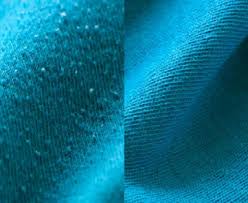
The Chemistry Explained: What is Bio Wash Fabric Treatment?
So, how do high-end brands eliminate this problem before the clothing ever reaches the retail shelf? They use a specialized finishing process called bio-washing (also known as biopolishing).
The Microscopic Lawn Mower Analogy
To answer the core question—what is bio wash fabric treatment—in the simplest terms possible: it is a chemical process that uses natural enzymes to clean up the surface of a fabric, acting like a microscopic lawn mower.
Instead of harsh chemicals that damage the integrity of the cloth, bio-washing utilizes cellulase enzymes. These enzymes are biologically active proteins that targetedly attack and digest cellulose—the main component of natural cotton fibers.
[Raw Cotton Fabric with Protuberant Ends]
               │
               ▼  (Cellulase Enzyme Application at 45°C - 55°C)
[Enzymes Selectively Hydrolyze Weak Microfibers]
               │
               ▼  (Mechanical Agitation / Washing)
[Smooth, Clean, Pill-Resistant Fabric Surface]
Step-by-Step Breakdown of the Biopolishing Process
- Enzyme Bath: The knitted cotton fabric is placed into a specialized industrial washing machine filled with water and a specific concentration of cellulase enzymes.
- Controlled Environment: The pH of the water is adjusted to be slightly acidic (around 4.5 to 5.5), and the temperature is raised to an optimal level, usually between $45^\circ\text{C}$ and $55^\circ\text{C}$. This activates the enzymes.
- Selective Eating: The enzymes selectively target the weakest, loosest, and shortest micro-fibers that are protruding from the main yarn body. They eat away at the base of these tiny hairs.
- Mechanical Friction: As the machine rotates, the mechanical friction causes these weakened fuzzy fibers to snap off cleanly from the surface.
- Enzyme Deactivation: Once the desired smoothness is achieved, the temperature is spiked above $70^\circ\text{C}$ or the pH is shifted to alkaline. This completely deactivates the enzymes so they don’t continue to eat the main structural threads of your shirt.
The result? A completely clean, smooth, and hairless fabric surface that has zero loose ends left to tangle into pills later on.
The Business Matrix: Retail Brand Values vs. Wholesale Blanks
If bio-washing is so magical, why doesn’t every single factory bio-wash every single piece of clothing they manufacture? It comes down to cost margins, manufacturing priorities, and the intended lifespan of the garment.
Let’s look at how adding a bio-wash finish alters the economics of a garment collection compared to standard wholesale or promotional blank merchandise:
1. Promotional Sourcing & Institutional Wholesale Blanks
If you are buying t-shirts in bulk for a college festival, a corporate marathon giveaway, or political campaigns, the main metric is unit cost.
- Wholesalers keep costs rock-bottom by skipping the enzyme biopolishing step entirely.
- To make the fabric feel soft to an unsuspecting buyer, they coat the cheap fabric in silicone softeners.
- This provides a temporary sleekness that completely washes away after the very first laundry cycle, revealing the underlying fuzzy nightmare.
2. Premium Retail & Premium Indian D2C Brands
For any serious premium fashion startup or luxury retail house, a bio-wash treatment is non-negotiable. It increases production costs by roughly ₹15 to ₹40 per garment depending on the batch size and enzyme quality. However, it completely transforms the product’s market value:
- Enhanced Color Longevity: Because the fuzzy layer is gone, light reflects evenly off the fabric surface. This makes dyed colors (especially deep blacks, rich maroons, and dark olives) look significantly deeper, richer, and brighter.
- Absence of Initial Fading: Non-treated shirts look white-ish or hazy after washing because the fuzz scatters light. Bio-washed shirts retain their deep luster wash after wash.
- Premium Hand-Feel: The fabric inherits a natural, soft drape that feels cool and luxurious against the skin, particularly suited for hot and humid Indian summers.
| Feature Matrix | Non-Bio-Washed Fabric (Silicone Coated) | Bio-Washed Fabric (Enzyme Treated) |
| Production Cost Change | Baseline Cost | + ₹15 to ₹40 per piece |
| Surface Hair/Fuzz | High (Visible under direct light) | Zero / Extremely Minimal |
| Pilling Resistance | Fails after 2–4 washes | High resistance for 30+ washes |
| Color Depth | Appears dull or hazy after washing | Deep, vibrant, and long-lasting |
| Ideal Use Case | Mass giveaways, events, single-use | Premium streetwear, D2C retail brands |
The Market Touch Test: How to Instantly Identify Non-Bio-Washed Fabric
If you are a fashion designer sourcing fabric from local wholesale hubs like Tirupur, Surat, Ahmedabad, or Delhi’s Gandhi Nagar, you can’t carry a laboratory microscope with you to test for enzyme applications. You need practical, real-world verification methods.
Use these three quick tests right inside the trader’s shop to know if you are being lied to about a fabric’s treatment status:
1. The Light Angle Reflection Test
Take a sample swatch of the cotton single jersey fabric. Hold it completely flat at eye level, directly underneath a bright overhead tube light or LED bulb.
- Look across the surface horizontally. If you see a subtle halo of tiny, peach-fuzz-like hairs standing straight up, the fabric has not been bio-washed.
- A genuinely bio-washed fabric will look completely flat and clean, almost like a sheet of paper.
2. The Scratch and Friction Test
Rub your thumbnail firmly across the surface of the fabric back and forth 5 to 10 times in a high-pressure scratching motion.
- On untreated cloth coated with temporary silicone softeners, this friction will instantly displace the chemical coating and cause micro-fibers to bunch up, creating immediate faint white trace lines or structural frizz.
- Bio-washed fabric will show absolutely no change because there are no weak micro-fibers available to deform.
3. The Water Droplet Absorbency Test
Drop a tiny droplet of clean water onto the fabric surface.
- If the fabric is unwashed but heavily masked with cheap silicone oil softeners to trick your hands, the water droplet will sit on top of the fabric like a bead and refuse to sink in quickly.
- Genuinely bio-washed cotton absorbs water almost instantly because the enzyme process strips away superficial processing impurities, uncovering the natural, breathable, and highly absorbent properties of pure cotton yarn.
Summary: Designing Clothing That Lives Up to the Promise
Understanding what is bio wash fabric treatment is the ultimate key to conquering the fluff and pill nightmare. As a consumer, checking labels or buying from transparent, quality-first brands ensures your hard-earned money goes toward clothes that remain pristine over time.
For boutique owners and emerging clothing label founders in India’s competitive D2C landscape, skipping biopolishing to save a few rupees is a shortcut to business failure. Delivering garments that turn fuzzy after three washes destroys customer loyalty and drives up return rates. Insisting on a high-grade cellulase enzyme bio-wash guarantees that your collections look, feel, and endure exactly like luxury premium apparel should.
Are you dealing with pilling issues in your wardrobe or fashion line, or do you have questions about sourcing bio-washed knitwear? Let’s talk about it in the comments below!
See Also
Bio Wash in Textile Industry | Full Details & Advantages
Why Do Printed T-Shirts Crack After Wash? The Ultimate Guide to Saving Your Graphic Tees