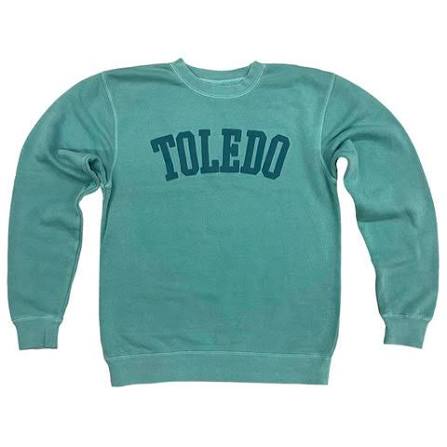

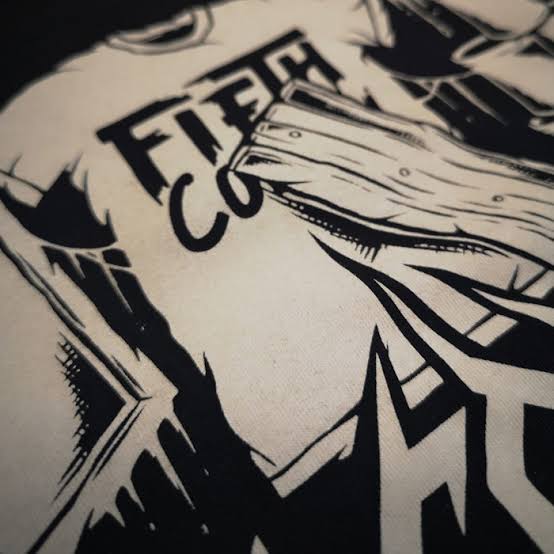
Picture this: You have designed a killer, bold graphic for your clothing brand’s new streetwear drop. It features a massive, intricate artwork across the chest. The samples arrive on premium, heavy-weight black cotton tees. Visually, it looks spectacular, e.g. discharge printing on dark cotton garments
But then, you put it on and step out into the stifling, humid air of a typical afternoon in Mumbai, Delhi, or Chennai.
Within ten minutes, reality hits. That gorgeous, solid chest graphic feels exactly like you are wearing a rigid sheet of plastic armor. It doesn’t breathe. It traps your body heat, building a localized greenhouse effect right over your chest. As you sweat, the moisture has nowhere to go, forming a sticky, muddy pool behind the design.
For decades, custom clothing brands in India have accepted this as an inevitable evil of screen printing on dark apparel. Standard custom t-shirt factories almost exclusively rely on standard plastisol ink. It is cheap, highly opaque, and sits squarely on top of the fabric fibers.
But if you are building a premium, modern streetwear label or high-end corporate merch, that heavy plastic armor feeling just won’t cut it. Customers expect luxurious comfort.
Enter the holy grail of high-end apparel customization: discharge printing on dark cotton garments. This sophisticated textile engineering methodology abandons the concept of painting over fabric, replacing it with a brilliant chemical process that yields a zero-hand-feel finish. Let’s explore how it works.
The Bleaching Chemistry: How De-Dying Reinvents Screen Printing
To understand why discharge printing on dark cotton garments is such a game-changer, we have to look at the chemistry happening inside the silk screen setup.
Traditional custom screen printing behaves like correction fluid (whitener) on black paper. To get a bright red or white design on a pitch-black t-shirt, the printer must first stamp down a thick, heavy base layer of white opaque plastisol ink. Once that cures under heat, they layer the colored pigments on top of it. You are essentially adding multiple microscopic layers of solid PVC plastic onto your breathable cotton canvas.
Discharge ink works in the exact opposite direction. Think of it as a highly controlled, artistic bleaching system.
The Discharge Core Concept: Instead of hiding the dark fabric under a mountain of heavy ink, discharge chemistry completely removes the original dye from the shirt’s fibers, transforming the dark canvas back to its raw, un-dyed cream state, and simultaneously re-dyeing those exact fibers with your target design colors.
The Active Ingredients
The secret behind this magical reaction is a two-part system:
- The Clear Water-Based Binder: A fluid carrier enriched with brilliant colored pigments.
- The Discharge Activator: A specialized reducing agent—typically Zinc Formaldehyde Sulfoxylate (ZFS) or newer, eco-friendly alternatives.
When the activator is mixed into the pigment ink paste, it creates a highly reactive compound with a short shelf-life of about 4 to 8 hours.
The Heat Transformation
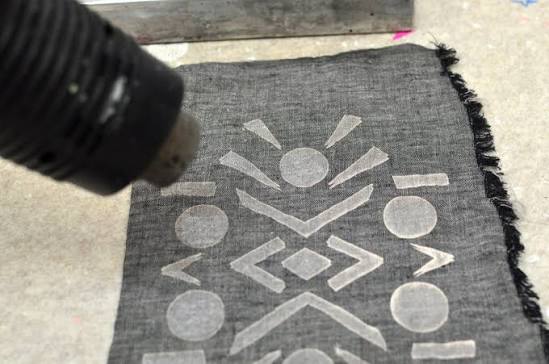
When the printer runs the squeegee over the screen, the activated wet ink gets pushed deep into the core of the dark cotton fibers. At this stage, it looks wet and faintly translucent—almost messy.
The real transformation occurs when the printed garment enters the long conveyor curing dryer tunnel at temperatures reaching roughly 160°C to 165°C. The intense heat triggers the reducing agent. In a flash, it breaks down the molecular bond of the reactive dark dye originally embedded in the shirt’s threads. The black or navy background color vanishes, and the colored pigment inside the discharge paste bonds directly into the freshly stripped raw cotton threads.
When the shirt rolls out of the conveyor belt dryer, the plastic layer is non-existent. The graphic artwork has quite literally become a physical part of the fabric itself!
The Hard Truth: Understanding Technical Limitations
While the chemistry sounds flawless, discharge printing on dark cotton garments is a sophisticated, highly technical art form. It is not a magic bullet that works on any random blank apparel piece you pick off a shelf. It comes with rigid technical constraints that every apparel brand founder must understand.
1. The 100% Cotton Mandate
Discharge chemistry is incredibly specific: It only reacts to natural cellulose fibers, primarily 100% cotton.
If you attempt to use discharge ink on a cheap polyester-blend t-shirt or a synthetic sports jersey, you will be left disappointed. The chemical reducing agent will ignore the synthetic polyester threads completely because polyester is colored using disperse dyes locked under extreme pressure.
| Fabric Blend | Discharge Success Rate | Visual/Structural Outcome |
| 100% Combed Cotton | Perfect (95% to 100% color discharge) | Brilliant, vivid colors with absolute zero texture after the first wash. |
| 80/20 Cotton-Poly Blend | Moderate (Faded, vintage look) | The cotton fibers discharge perfectly, but the 20% polyester keeps its dark color, resulting in a muted heather effect. |
| 100% Polyester / Dry-Fit | Complete Failure (0% activation) | The ink will not remove the background color, leaving a muddy, ruined smudge on the shirt. |
2. The Nightmare of Non-Dischargeable Dyes
Even if your t-shirt label proudly proclaims “100% Cotton,” your discharge print can still fail if the fabric mill utilized low-grade or non-dischargeable chemical dyes (such as certain synthetic direct dyes) to color the yarn.
Premium custom garment manufacturers like MakeMyT-Shirt utilize specific Reactive Dyed cotton blanks. These high-grade reactive dyes break apart cleanly when exposed to discharge heat activation, ensuring your target whites look crisp rather than a dull, muddy beige.
The Hand-Feel Test: Achieving Luxury Vintage Greatness
For premium streetwear founders and clothing brands aiming to compete on a global scale, the ultimate validator of quality is the Hand-Feel Test.
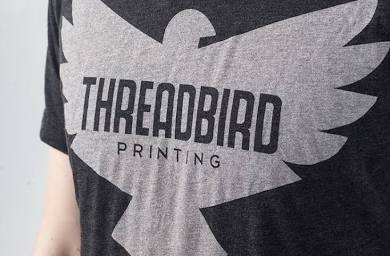
When a customer walks into an upscale boutique retail store, they don’t just look at the design hanging on the rack; they instinctively reach out and run their fingers across the graphic print.
- If their fingers catch on a thick, rubbery ridge that feels stiff and rough, their brain immediately categorizes it as cheap promotional merchandise.
- If their fingers glide across the graphic artwork without sensing any texture change between the unprinted fabric and the design, their brain flags it as luxury tier.
The First-Wash Awakening
When a discharge-printed dark cotton garment is fresh off the conveyor curing dryer, you might still feel a very slight structural crispness. Do not panic! This is just the residual water-based salt carrier.
The true magic happens after the very first laundry cycle. As the garment washes, the residual salt matrix dissolves completely. The resulting garment achieves an authentic zero-hand-feel state. You can run your hand across a massive 12-inch wide chest graphic with your eyes closed, and you won’t be able to tell where the fabric ends and the artwork begins.
The Streetwear Vintage Edge
Beyond the supreme breathability that makes it an absolute savior for hot climates, discharge printing on dark cotton garments ages gracefully. Traditional plastisol prints eventually dry out, crack, and peel into unsightly scales after 20 to 30 washes.
Discharge prints, however, fade slowly and uniformly alongside the cotton fabric itself over years of wear. It develops a premium, soft, distressed character that boutique fashion labels and vintage streetwear collectors pay top dollar for.
Step-by-Step Selection: How to Execute Discharge Production
If you are ready to transition your brand’s next apparel catalog away from heavy plastic shields and embrace water-based discharge breathability, follow this production checklist to ensure an optimal setup.
1.Verify the Yarn Dyeing Method:Phase 1.
Before placing a bulk production order, confirm with your clothing manufacturer that your dark garments (Black, Navy, Charcoal, Maroon) are strictly dyed using dischargeable reactive dyes. Ask for a sample swatch print test if you are source-testing a new fabric lot.
2.Optimize Your Artwork Halftones:Phase 2.
Discharge printing excels at fine details, soft gradients, and halftone photographic designs because the ink sinks into the fabric instead of blotting over it. Work with your graphic designer to tune your vector separations for a water-based ink line matrix.
3.Manage Color Tone Expectations:Phase 3.
Unlike digital printing, discharge color matching is an organic process. Because it relies on chemical replacement, achieving an exact 100% Pantone match can vary slightly depending on fabric weight and manufacturing batches. Embrace the soft, organic color tones it creates.
4.Execute Proper Conveyor Curing:Phase 4.
Ensure your screen printing workshop runs a long gas or electric conveyor dryer. Because water-based discharge inks require all internal water to evaporate completely before the chemical activator can strip the original fabric dyes, short flash-curing units will cause the print to wash out completely in the laundry.
Final Thoughts: The Premium Choice for the Indian Market
Building a successful clothing brand in India’s hyper-competitive fashion ecosystem requires focusing on user experience. Customers are increasingly smart; they are abandoning stiff, uncomfortable fast-fashion garments in favor of thoughtful, everyday apparel.
By mastering discharge printing on dark cotton garments, you offer your community a product designed intentionally for our warm, tropical home climate. It keeps them cool, washes beautifully, and elevates your brand’s manufacturing reputation to global luxury standards.
Stop plastering your custom tees with heavy plastic sheets. Step into the future of custom apparel design and let your fabric breathe!
See Also
Discharge Printing | Style Of Printing | Discharging Agent | Printing
The Texture Battle: Puff Print vs High Density Printing in Indian Streetwear
Master Guide: T-Shirt Back Graphic Design Layout Placement for Indian Streetwear Brands