
Ever bought a T-shirt online in India that looked crisp in the photos, but after just two washes, the edges curled up like a dosai on a hot tawa? Or maybe you ordered a custom tee for your college event or startup team, and the print ended up feeling thick, rubbery, and uncomfortable in the summer heat?
When building a clothing brand or manufacturing custom T-shirts, most people get hyper-focused on GSM (Grams per Square Meter). But here is an industry insider secret: GSM only tells you how heavy a fabric is—it doesn’t tell you how it feels, hangs, or lasts.
The true secret behind a killer T-shirt lies in its fabric knit construction. Let’s understand difference among Single Jersey vs Interlock vs Piqué
Today, we are diving deep into the Big Three of the custom apparel world: Single Jersey, Interlock, and Piqué. Whether you are choosing the right types of T-shirt knit fabric for oversized streetwear, classic round-necks, or corporate polo T-shirts, this comprehensive guide will help you pick the exact right fabric structure for your project.
1. Quick Comparison: Single Jersey vs Interlock vs Piqué
If you are in a rush and need a quick verdict on single jersey vs interlock T-shirt options alongside piqué, here is a quick breakdown:
- Single Jersey: Light, flexible, breathable, and economical. The king of everyday crew-neck and V-neck T-shirts.
- Interlock: Double-knitted, ultra-smooth, heavyweight, and premium. Doesn’t curl at the hem, making it the ultimate choice for luxury round-necks and heavy streetwear.
- Piqué: Textured honeycomb/waffle weave, structured, and highly durable. The gold standard for classic polo T-shirt fabric.
Let’s inspect each fabric structure up close.
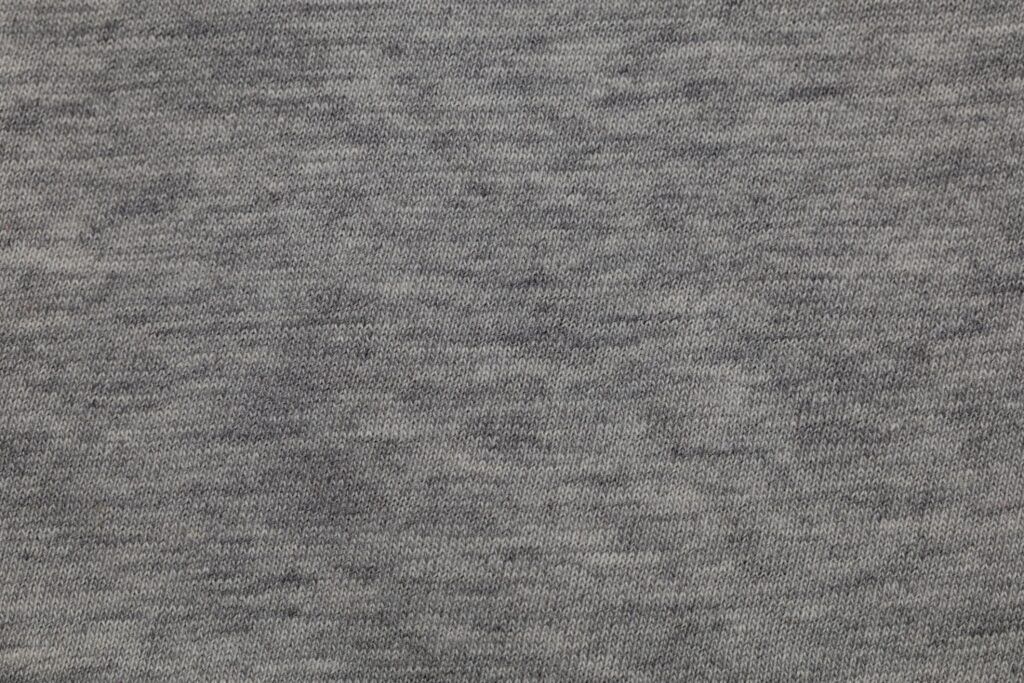
2. What is Single-Jersey Fabric? (The Everyday Classic)
When you open your wardrobe right now, chances are that 80% of your casual round-neck T-shirts are made of single jersey.
Construction & Weave
Single jersey is a single-knit fabric produced using a single set of needles on a circular knitting machine. It has two distinct sides:
- Front Face: Features smooth, vertical “V” shapes (stockinette stitch).
- Back Face: Features horizontal loops (purl stitch).
Because it uses only one layer of loops, single jersey is naturally lightweight, flexible, and soft against the skin.
Key Characteristics
- Natural Crosswise Stretch: It stretches comfortably across the width, though it has limited vertical stretch (unless blended with Elastane/Spandex).
- Edge Curling Tendency: One hallmark of raw single jersey is that when cut, its raw edges naturally curl inward toward the front face. Proper neck-ribbing and twin-needle hem stitching are essential to lock it down.
- Air Permeability: Excellent breathability, making it tailor-made for Indian summer heat.
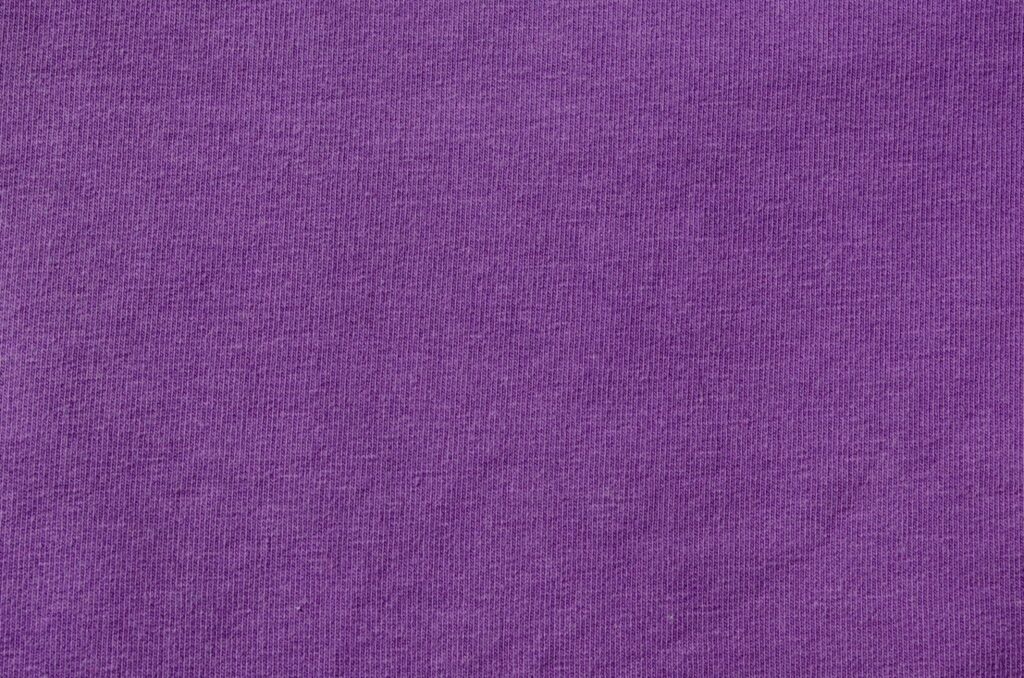
3. What is Interlock Fabric? (The Double-Knit Powerhouse)
If single jersey is a single layer of fencing, interlock is two fences fused back-to-back. It is often considered the luxury upgrade in types of T-shirt knit fabric.
Construction & Weave
Interlock is constructed using two rows of needles that interlock loops from two layers of fabric. The back-to-back construction means both the front and back of the fabric look completely identical, showing smooth “V” stitches on both sides.
Key Characteristics
- Zero Edge Curl: Unlike single jersey, interlock fabric lies completely flat. Raw edges do not roll or curl.
- Dense & Opaque: Even at lighter weights, interlock has a tight, dense structure. White interlock T-shirts are never see-through.
- Superior Shape Retention: It bounces back easily after stretching and maintains its silhouette even after multiple home washes.
- Silky Smooth Handfeel: Because both sides present smooth face loops, it feels luxurious on the skin inside and out.
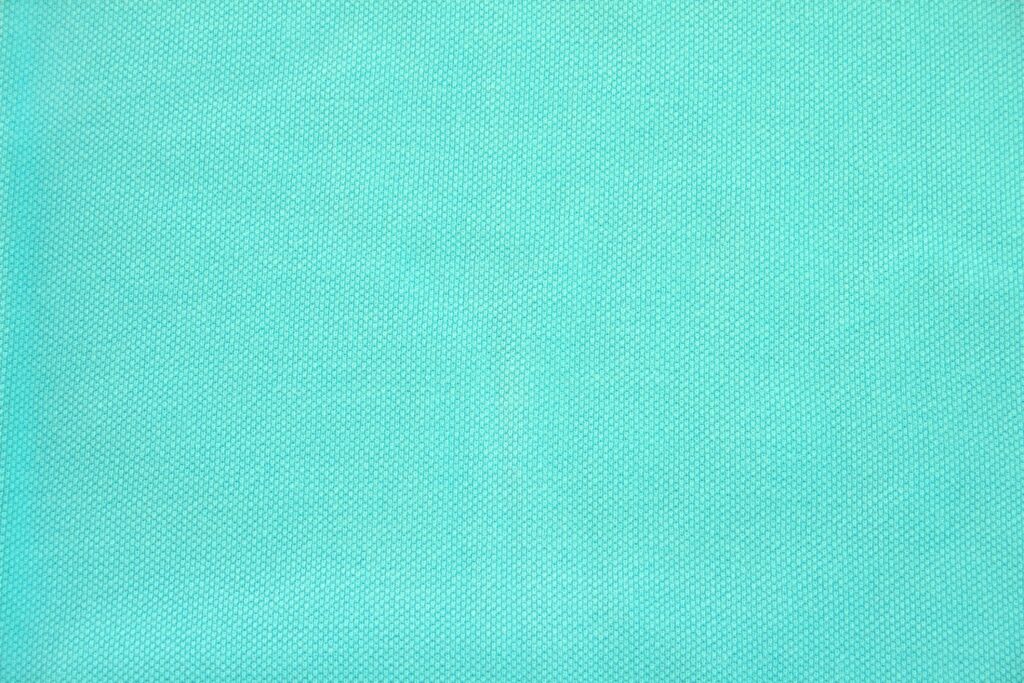
4. What is Piqué Fabric? (The Textured Polo Icon)
When discussing piqué fabric vs jersey, we step out of smooth surfaces into textured, geometric weaves. Piqué (pronounced pee-kay) is universally recognized as the definitive polo T-shirt fabric.
Construction & Weave
Piqué is created using a special knitting technique that produces a geometric, raised pattern—most commonly a diamond, geometric mesh, or honeycomb structure.
Key Characteristics
- 3D Honeycomb Structure: The tiny raised texture creates micro-air pockets between the fabric and your skin.
- Stiff & Structured Drape: Piqué holds its shape remarkably well. It allows polo collars to stand firm without drooping or turning floppy.
- Conceals Sweat & Wrinkles: The textured surface diffuses light, making sweat marks and wrinkles significantly less visible compared to flat jersey knits.
5. Master Comparison Table: Single Jersey vs Interlock T-Shirt vs Piqué
Here is a side-by-side technical feature breakdown to help you compare a single jersey vs interlock T-shirt alongside piqué fabric.
| Feature / Attribute | Single Jersey Fabric | Interlock Fabric | Piqué Fabric |
| Knitting Construction | Single-knit (1 needle set); smooth front, purl back | Double-knit (2 interlocked needle sets); smooth both sides | Textured single or double knit; honeycomb / diamond weave |
| Stretch & Recovery | Moderate widthwise stretch; low recovery without Spandex | High natural stretch; excellent shape recovery | Low elasticity; holds rigid shape |
| Thickness & Density | Lightweight to medium (160–220 GSM) | Medium to heavyweight (200–300+ GSM) | Medium to heavy (210–280 GSM) |
| Breathability | High airflow; ideal for hot weather | Moderate airflow; warm and cozy | High airflow due to porous honeycomb structure |
| Curling Tendency | High (edges roll if unstitched) | Zero curling (lies perfectly flat) | Very low curling |
| Print Suitability | Outstanding for DTG, Screen, & Sublimation | Exceptional for high-detail Screen & Transfer prints | Best suited for Embroidery; DTF/Screen requires thick underbase |
| Typical Products | Everyday round-necks, V-necks, undershirts | Luxury tees, oversized streetwear, babywear | Corporate Polos, golf shirts, collared sportswear |
| Relative Cost | Economical / Budget-friendly | Premium / High-end | Mid-to-High |
6. Best Fabric for Round-Neck T-Shirts
When customizing basic graphic tees or merchandise on MakeMyT-Shirt.com, choosing between a single jersey vs interlock T-shirt comes down to target climate and brand positioning:
Everyday Casual Round-Neck T-Shirts
├── Budget / Daily Wear -> Single Jersey (180-200 GSM Combed Cotton)
└── Premium / Heavyweight -> Interlock Knit (220-240 GSM Super Combed Cotton)
Why Single Jersey Wins for Daily Wear
For standard 180 GSM everyday round-necks, single jersey is unbeatable. It is lightweight, drapes fluidly over the body, and keeps the wearer cool in humid Indian conditions. If you are launching an affordable streetwear brand or making college club tees, 100% combed cotton single jersey is your best choice.
When to Upgrade to Interlock
If you want your brand to feel like a premium label, opt for a single jersey vs interlock T-shirt upgrade. Interlock gives round-necks a substantial weight, zero transparency, and a clean drop that doesn’t cling to body contours.
7. Best Fabric for Polo T-Shirts
If you are making collared shirts, the debate over piqué fabric vs jersey usually lands squarely on Piqué.
Why Piqué Rules the Polo World
Polo collars need structure. Single jersey is too light and flexible for traditional polo collars, causing them to curl or flatten out over time (known as “bacon collar”).
Piqué’s 3D honeycomb weave provides:
- Collar Stability: Holds structured rib collars cleanly.
- Professional Look: Perfect for corporate uniforms, executive merch, and smart-casual wear.
- Sweat Masking: Ideal for tropical climates and outdoor corporate events.
Pro-Tip: If you want a casual, modern, fitted polo, single jersey with a fused collar can work, but for classic durability, always select piqué polo T-shirt fabric.
8. Best Fabric for Sports and Activewear
Indian gym-goers and athletes need maximum moisture management and unrestricted movement.
Polyester Interlock vs Synthetic Single Jersey
- 100% Polyester Single Jersey: Lightweight and breathable, but can feel thin during heavy workouts.
- 100% Micro-Polyester Interlock: The undisputed champion for activewear. Interlock’s double-knit construction offers 4-way flexibility, making it tear-resistant during squats and intense athletic movements.
- Poly-Piqué: Popular for tennis and golf polos due to its breathability and sweat-wicking properties.
For modern performance tees, a micro-polyester interlock or jacquard mesh single jersey delivers the ideal balance of durability and sweat evaporation.
9. Best Fabric for Oversized Streetwear
Streetwear trends in India have shifted heavily toward boxy, drop-shoulder silhouettes.
Why Interlock Dominates Streetwear
Oversized T-shirts need a structured fabric that holds a rigid, boxy shape without sagging.
While a heavy 240 GSM single jersey works well, a single jersey vs interlock T-shirt comparison at 240–280 GSM shows clear advantages for interlock:
- It keeps the drop-shoulder seam crisp and defined.
- It doesn’t cling to the waist or hips.
- The interior side is as smooth as the exterior, eliminating skin irritation.
10. How Fabric Structure Interacts with GSM
A common misconception when buying custom T-shirts is that GSM (Grams per Square Meter) dictates everything about fabric quality. In reality, fabric construction transforms how GSM feels.
Here is how identical GSM ratings feel across different knit structures:
Case Study: 200 GSM across 3 Fabrics
- 200 GSM Single Jersey: Feels light, airy, soft, and flexible. Ideal for summer round-necks.
- 200 GSM Interlock: Feels denser, tighter, and thicker because the yarns are packed tightly in two layers.
- 200 GSM Piqué: Feels rougher, more structured, and heavier to touch due to the raised 3D surface loops.
When ordering custom apparel on MakeMyT-Shirt.com, never evaluate GSM in isolation. Always pair your target GSM with the right types of T-shirt knit fabric!
11. Frequently Asked Questions (FAQs)
Q1. Which is better: single jersey vs interlock T-shirt for screen printing?
Single jersey provides a flatter surface for light ink deposits (like Direct-to-Garment and water-based screen printing). However, interlock offers a smoother plane that prevents ink from sinking into fiber gaps, yielding vibrant screen prints.
Q2. Does interlock fabric shrink more than single jersey?
Because interlock is a double-knit fabric under tension during knitting, unwashed interlock can exhibit slightly higher dimensional shrinkage if not pre-shrunk. Always choose compacted, pre-shrunk cotton interlock on MakeMyT-Shirt.com.
Q3. Why are polo T-shirts usually made of piqué fabric instead of jersey?
Piqué’s textured honeycomb construction adds weight and structural integrity, preventing the collar and button placket from sagging or curling after washing.
Q4. Which fabric is best for Indian summer heat?
For extreme summer heat, 100% Combed Cotton Single Jersey (160–180 GSM) provides maximum breathability and lightness.
Final Verdict: Which Fabric Should You Choose?
- Choose Single Jersey if you want affordable, breathable, everyday casual round-neck T-shirts or promotional giveaway tees.
- Choose Interlock if you want high-end, smooth, non-see-through heavyweight tees, luxury streetwear, or durable activewear.
- Choose Piqué if you are manufacturing classic corporate polo T-shirts, golf shirts, or structured collared apparel.
See Also
- Single Jersey Vs Double Jersey Knit (Sportswear Secrets)
- Single Jersey Fabric Vs. Interlock Fabric
- Single Jersey, Rib, Interlock, Purl – Basic Weft Knitted Fabric Structure
- Combed Cotton vs Carded Cotton T-Shirts: Quality, Price, and Printability Compared
- The Overhead Weight Dilemma: Difference Between 180 GSM and 240 GSM T Shirt
- Navigating the Textile Capital: How to Buy Fabric in Bulk From Tirupur Wholesale Market